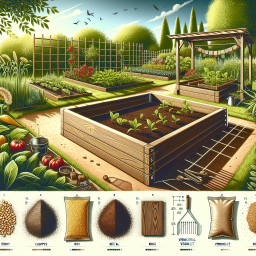
How to Build a Raised Garden Bed
How to Build a Raised Garden Bed
Starting your own veggie garden can be one of the most rewarding hobbies, providing fresh produce right at your doorstep. Raised garden beds are an excellent choice for both novice and experienced gardeners, especially in Australia, where soil conditions can vary greatly. This guide will walk you through the process of constructing and maintaining a thriving raised garden bed.
Introduction
Raised garden beds offer numerous advantages: improved drainage, easier maintenance, and the ability to control soil quality. They are particularly beneficial in Australia, where soil can be sandy or clay-heavy, and weather conditions can be unpredictable.
Benefits of Raised Garden Beds
- Improved Soil Quality: You have total control over the soil mix, which is vital given Australia's diverse soil conditions.
- Better Drainage: Raised beds prevent waterlogging, a common issue in many parts of Australia during the rainy season.
- Ease of Access: No more bending down; raised beds bring your garden to a comfortable working height.
- Extended Growing Seasons: The soil warms up faster in spring, providing a head start on the growing season.
Materials
To build a raised garden bed, you will need:
- Timber: Choose durable, untreated hardwood such as cedar or cypress. Avoid treated woods as they can leach chemicals into the soil.
- Screws and a Drill: For assembling the frame.
- Weed Mat: To line the bottom and prevent weeds.
- Soil Mix: A high-quality mix of local soil, compost, and organic matter.
Sizing
The size of your raised garden bed depends on available space and your gardening goals. A common size is 1.2 meters wide by 2.4 meters long, allowing easy access from all sides. The height can range from 30 cm to 60 cm, depending on preference and crop type.
Soil Mix Recipe
A good soil mix is crucial for a thriving garden. Here's a simple recipe:
- 50% Local Soil: Adjust according to local soil conditions.
- 30% Compost: Provides essential nutrients.
- 20% Organic Matter: Such as aged manure or leaf mold.
Positioning
Choose a sunny location, ideally receiving at least 6-8 hours of sunlight per day. Ensure the area is level and has easy access to water.
Best Varieties
Australia's climate allows for growing a wide range of vegetables. Some top choices for a raised garden bed include:
- Tomatoes: Prefer sunny spots and well-draining soil.
- Lettuce: Grows well in cooler months.
- Carrots: Require deep, loose soil.
- Herbs: Such as basil, parsley, and coriander thrive in raised beds.
Planting Steps
- Assemble the Bed: Use your timber, screws, and drill to construct the frame. Line the base with a weed mat.
- Fill with Soil Mix: Pour the soil mix into the frame, ensuring it's evenly distributed.
- Plant Your Seeds or Seedlings: Follow spacing recommendations on seed packets.
- Water Thoroughly: Ensure the soil is moist, especially after planting.
Care & Feeding
- Watering: Regular watering is crucial, especially in hot, dry periods common in Australia. Drip irrigation systems can be efficient.
- Mulching: Apply a layer of organic mulch to retain moisture and suppress weeds.
- Feeding: Use organic fertilizers every 4-6 weeks to replenish nutrients.
Harvesting
- Timing: Harvest vegetables at their peak for the best flavor and nutritional value.
- Regular Picking: Encourages plants to produce more.
Conclusion
Building a raised garden bed is an excellent way to start a veggie garden in Australia. With the right materials, soil mix, and care, you can enjoy bountiful harvests and the satisfaction of growing your own food. Embrace the process, and happy gardening!
Ready to put this into practice?
Track your planting dates and get automated harvest reminders in your digital Garden Bed.
Go to My Garden