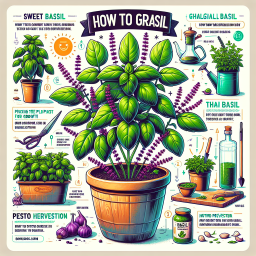
How to Grow Basil
How to Grow Basil
Sweet basil, Thai basil, and purple basil are just a few of the captivating varieties of this aromatic herb. Whether you're dreaming of fresh pesto, aromatic curries, or vibrant salads, growing basil in your Australian garden can be both rewarding and straightforward. This guide will walk you through the best practices for planting, caring for, and harvesting basil to ensure your garden is thriving with this versatile herb.
Introduction
Basil (Ocimum basilicum) is a beloved herb worldwide, known for its flavorful leaves and aromatic qualities. In Australia, the warm climate provides an excellent environment for growing basil, allowing gardeners to enjoy fresh basil nearly year-round. This guide focuses on the key aspects of growing basil, from selecting the right variety to mastering the art of harvesting.
Best Varieties
Different basil varieties offer unique flavors and appearances. Here are a few popular choices:
- Sweet Basil: The classic basil variety, perfect for Italian dishes and pesto.
- Thai Basil: Known for its distinct anise-like flavor, ideal for Asian cuisines.
- Purple Basil: Adds a splash of color to gardens and salads, with a slightly spicier taste.
- Lemon Basil: Offers a citrusy aroma, great for teas and desserts.
- Greek Basil: Compact with small leaves, excellent for container growing.
Planting Steps
Growing basil successfully begins with thoughtful planting. Follow these steps to establish a robust basil garden:
-
Choose the Right Location: Basil thrives in full sun. Choose a spot that receives at least 6-8 hours of sunlight daily.
-
Soil Preparation: Basil prefers well-draining, nutrient-rich soil. Amend your garden soil with organic compost to enhance fertility and drainage.
-
Sowing Seeds:
- Indoors: Start seeds 6-8 weeks before the last frost. Sow seeds in seed trays or small pots filled with seed-raising mix.
- Outdoors: Direct sow seeds after the last frost. Space seeds about 25-30 cm apart to allow room for growth.
-
Transplanting: Once seedlings have 2-4 true leaves, transplant them to their final location, ensuring they are spaced adequately.
-
Watering: Keep the soil consistently moist but not waterlogged. Basil prefers regular watering, especially during hot, dry spells.
Care & Feeding
Maintaining healthy basil plants requires attention to their ongoing needs:
-
Pinching and Pruning: Regularly pinch back the growing tips to encourage bushier growth. Remove any flower buds to prevent the plant from bolting, which can cause the leaves to become bitter.
-
Fertilizing: Apply a balanced, organic fertilizer every 4-6 weeks to support vigorous growth. Avoid over-fertilizing, as this can lead to lush growth but fewer aromatic oils.
-
Pest Control: Watch for common pests like aphids and slugs. Use natural remedies such as neem oil or introduce beneficial insects like ladybugs to your garden.
Harvesting
Proper harvesting is essential to maximize yield and maintain plant health:
-
Timing: Start harvesting when the plant is about 15 cm tall. Regular harvesting encourages further growth.
-
Method: Use scissors or your fingers to pinch off leaves just above a pair of leaves or a node. This stimulates the plant to produce more foliage.
-
Preservation: To preserve basil, consider drying or freezing the leaves. Alternatively, make a large batch of pesto and freeze it in small containers for later use.
Conclusion
Growing basil in Australia can be a delightful and rewarding experience. With the right variety selection, proper care, and timely harvesting, your garden can produce an abundant supply of this aromatic herb. Enjoy the fresh flavors of your own homegrown basil in a myriad of culinary delights!
Ready to put this into practice?
Track your planting dates and get automated harvest reminders in your digital Garden Bed.
Go to My Garden