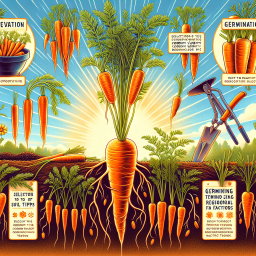
How to Grow Carrots
How to Grow Carrots
Carrots are a beloved root vegetable that can be enjoyed raw, roasted, or cooked in a variety of dishes. Growing your own carrots can be a rewarding experience, offering fresh produce directly from your garden. This guide will take you through the process of cultivating carrots in Australia, from soil preparation to harvest, and will include information on varieties suitable for different soil types, germination techniques, and regional planting timings.
Introduction
Carrots (Daucus carota) are known for their vibrant color and sweet, earthy flavor. They are a cool-season crop that thrives in loose, sandy soil with a pH between 6.0 and 6.8. With the correct preparation and care, you can enjoy a bountiful harvest of this nutritious vegetable.
Best Varieties
Choosing the right carrot variety is crucial, especially considering the diverse soil types across Australia. Here are some popular varieties for different conditions:
- Nantes: Ideal for sandy soils, Nantes carrots are cylindrical and sweet, making them perfect for snacking.
- Danvers: Suited for heavier soils, these carrots are conical and robust, often used in cooking.
- Chantenay: These short, stout carrots do well in rocky or clay soils and are known for their rich flavor.
- Imperator: Known for their long, tapered roots, they require deep, loamy soil.
- Kuroda: A Japanese variety that does well in warmer climates, producing sweet, crisp roots.
Planting Steps
Soil Preparation
- Choose the Right Location: Carrots need full sun for optimal growth. Select a spot that receives at least 6-8 hours of sunlight daily.
- Loosen the Soil: Remove rocks, clumps, and debris. Dig to a depth of at least 30 cm to ensure the roots can grow unobstructed.
- Amend the Soil: Add well-rotted compost or sand to improve drainage and fertility. Avoid fresh manure, which can cause forking.
Sowing Seeds
- Timing: In Australia, sow seeds from late summer to early autumn in cooler regions, and late autumn to winter in warmer areas.
- Direct Sowing: Carrots are best sown directly into the ground. Space rows about 30 cm apart.
- Seed Depth and Spacing: Sow seeds 1 cm deep, and thinly spaced to about 5 cm apart as they grow to prevent overcrowding.
Germination Tricks
- Moisture: Keep the soil consistently moist but not waterlogged during germination, which can take 10-21 days.
- Mulching: Use a light layer of straw or grass clippings to retain moisture and regulate soil temperature.
Care & Feeding
- Watering: Provide regular, deep watering to encourage root development, especially during dry spells.
- Thinning: Once seedlings are about 5 cm tall, thin them to 5-10 cm apart to allow room for growth.
- Weeding: Keep the carrot patch free of weeds, which compete for nutrients and water.
- Fertilizing: Use a balanced, low-nitrogen fertilizer to support growth. Too much nitrogen can lead to leafy tops with small roots.
Harvesting
- Timing: Carrots are typically ready to harvest 70-80 days after planting. For the sweetest flavor, harvest after a few frosty nights if in a cooler region.
- Signs of Maturity: The tops of the carrots will be about 2 cm in diameter and should be bright and firm.
- Harvest Method: Gently loosen the soil around the carrot with a fork before pulling to avoid breaking the roots.
Growing carrots can be a delightful addition to your home garden. By selecting the right variety for your soil type, carefully preparing and maintaining your garden, and timing your planting, you can enjoy a plentiful supply of fresh, home-grown carrots. With patience and care, you'll be rewarded with a harvest that's both delicious and satisfying. Happy gardening!
Ready to put this into practice?
Track your planting dates and get automated harvest reminders in your digital Garden Bed.
Go to My Garden