How to Grow Roma Tomatoes
How to Grow Roma Tomatoes
Growing your own Roma tomatoes can be a rewarding experience, providing you with fresh, flavorful produce perfect for making sauces, pastes, and all your favorite tomato-based dishes. In this guide, we'll walk you through everything you need to know to cultivate these delicious fruits in the Australian climate, ensuring a bountiful harvest from seed to sauce day.
Introduction
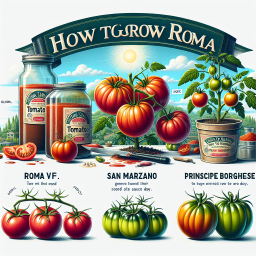
Roma tomatoes, renowned as the best paste tomato, are a determinate variety that produces meaty, egg-shaped fruits with fewer seeds and a rich flavor. They are ideal for sauces, pastes, and canning. This guide will cover the essential steps to growing Roma tomatoes successfully, focusing on popular varieties like Roma VF, San Marzano, and Principe Borghese.
Best Varieties
When selecting Roma tomatoes, consider these popular varieties that thrive in Australian gardens:
- Roma VF: Known for its vigorous growth and resistance to verticillium and fusarium wilt. Produces abundant, uniform fruits, perfect for canning and sauces.
- San Marzano: Famous for its sweet flavor and low acidity, San Marzano is the choice for traditional Italian sauces.
- Principe Borghese: A smaller, cherry-sized variety, excellent for drying and preserving, offering a burst of concentrated flavor.
Planting Steps
Growing Roma tomatoes from seed requires careful planning and attention to detail. Follow these steps for a successful planting:
- Timing: Start seeds indoors 6-8 weeks before the last expected frost date. In most parts of Australia, this means sowing seeds in late winter to early spring.
- Seed Starting:
- Fill seed trays with a quality seed-starting mix.
- Plant seeds 0.5 cm deep and cover lightly with soil.
- Maintain a consistent moisture level and a temperature of 21-24°C.
- Transplanting:
- Once seedlings have two sets of true leaves, harden them off by gradually exposing them to outdoor conditions.
- Transplant into the garden when all risk of frost has passed and soil temperatures are consistently above 15°C.
- Space plants 60-90 cm apart in rows 90-120 cm apart.
- Soil Preparation:
- Choose a sunny location with well-draining soil.
- Amend soil with plenty of organic matter and a balanced fertilizer to encourage strong growth.
Care & Feeding
Proper care and feeding are crucial for a healthy Roma tomato crop:
- Watering: Provide consistent moisture, aiming for 2.5 cm of water per week. Water deeply and less frequently to encourage deep root growth.
- Mulching: Apply a layer of organic mulch, like straw or grass clippings, to retain soil moisture and suppress weeds.
- Fertilizing: Feed plants with a balanced tomato fertilizer every 4-6 weeks during the growing season. Avoid high-nitrogen fertilizers, which can lead to excessive foliage growth at the expense of fruit.
- Pruning: Remove suckers (the small shoots that appear between the main stem and branches) to improve air circulation and focus energy on fruit production.
Harvesting
Knowing when and how to harvest your Roma tomatoes will ensure the best flavor and texture:
- Timing: Roma tomatoes are typically ready to harvest 75-85 days after transplanting. Look for fruits that are uniformly red and firm to the touch.
- Technique: Use a sharp knife or pruning shears to cut the fruit from the stem, leaving a small portion of the stem attached to the tomato.
- Storage: Store harvested tomatoes at room temperature if planning to use them within a few days. For longer storage, consider canning, drying, or freezing.
Conclusion
By following this comprehensive guide, you'll be well on your way to growing plentiful and delicious Roma tomatoes in your Australian garden. With the right care, these versatile fruits will provide you with endless culinary possibilities, from fresh salads to hearty sauces. Enjoy the fruits of your labor and the satisfaction of creating homemade tomato dishes from your very own garden.
Ready to put this into practice?
Track your planting dates and get automated harvest reminders in your digital Garden Bed.
Go to My Garden